Notice Periods in the UK: How Long Must You Give?
Whether you have just been offered a new job or you are worried about losing your current one, one of the first questions is: how much notice do I have to give, or get? The answer depends on your contract, how long you have worked for your employer and who is ending the job. This guide explains the legal minimums, typical contract notice periods, what happens during notice, and what to do if you want to leave sooner.
Quick answer: If you resign, the legal minimum is one week once you have worked for at least a month, but most contracts require longer, often one to three months. If your employer ends your job, you are entitled to one week for each full year you have worked, up to 12 weeks, unless your contract gives you more.
What is a notice period?
A notice period is the time between when you or your employer say that your employment will end and your last day. It gives both sides time to plan: for you to find new work, and for your employer to cover your role.
There are two types:
- Statutory notice: the legal minimum set by law, which no contract can reduce.
- Contractual notice: the notice written in your contract. It can be equal to or longer than the statutory minimum, but never shorter.
If your contract’s notice is longer than the statutory minimum, the contract figure applies. If it is shorter or missing, the statutory minimum applies instead.
Statutory notice: the legal minimums
If you resign
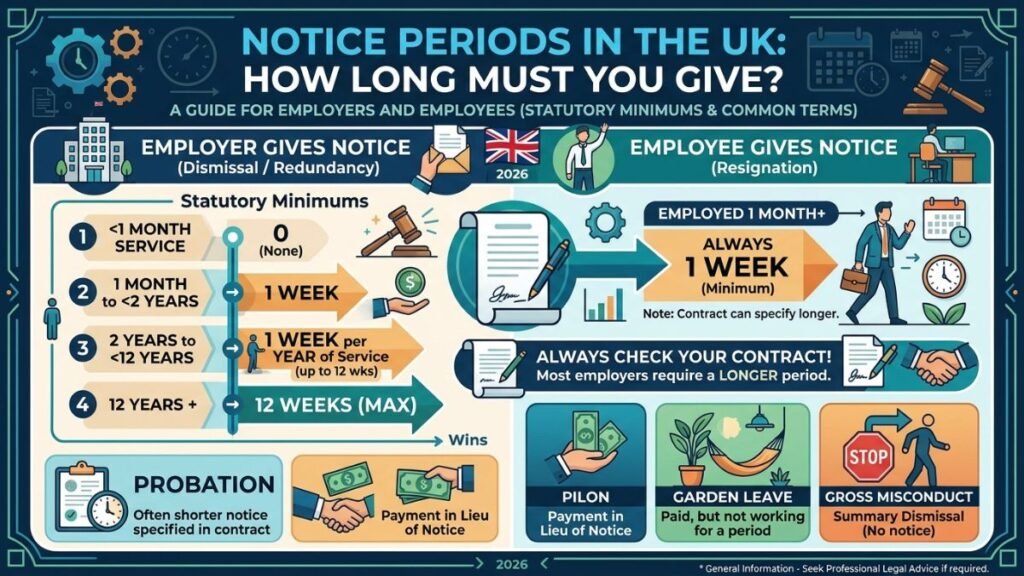
You must give your employer at least one week’s notice once you have been employed for one month or more. This does not get longer as your service grows. Whether you have worked there for two months or twenty years, the legal minimum you must give is one week.
If you have worked for less than a month, there is no statutory minimum notice, although your contract may say otherwise.
If your employer dismisses you or makes you redundant
The statutory minimum your employer must give depends on your continuous service:
| Length of service | Minimum notice from your employer |
|---|---|
| Less than 1 month | None required by law |
| 1 month to 2 years | 1 week |
| 2 years | 2 weeks |
| 5 years | 5 weeks |
| 10 years | 10 weeks |
| 12 years or more | 12 weeks (maximum) |
The rule is one week for each full year of service. For example, someone who has worked for five years and ten months gets five weeks. Your employer can give you more than this, and many contracts do.
Who is covered?
Statutory notice rules apply to employees. They generally do not apply to casual workers, independent contractors or freelancers, who may have different terms. If you are unsure of your status, ask Acas.
Contractual notice: what is typical?
Your contract (or written statement of terms) should set out your notice period. Common examples include:
- Entry-level and hourly jobs: one to four weeks
- Most office and skilled jobs: one month
- Managers and professionals: one to three months
- Senior and specialist roles: three to six months
The average is often described as around one month, but this varies widely. Notice may differ depending on who gives it. For example, your employer might have to give you more notice than you give them. Check your contract carefully. Our guide to understanding your employment contract explains where to find it.
Notice during probation
Many contracts have a shorter notice period during probation, such as one week, and a longer one afterwards. Check your contract. See our guide to probation periods and your rights for more.
How notice works in practice
When does notice start?
Notice normally starts the day after you give it. If you hand in one week’s notice on a Monday, the week runs from Tuesday and your last day is the following Monday. Check the wording in your contract, because some employers count from the end of the month or the next pay date.
How to give notice
Always resign in writing, even if you have also spoken to your manager. A short email or letter is enough. Include:
- The date you are writing
- A clear statement that you are resigning
- Your intended last working day, based on your notice period
- A polite thanks, if you want to keep a good relationship
Keep a copy. Notice cannot normally be withdrawn unless both you and your employer agree.
Can you leave before your notice ends?
You are legally expected to work your notice, unless your employer agrees otherwise. Options include:
- Ask to leave early. Many employers agree if the handover is done, especially if you have holiday left.
- Use accrued holiday. You can ask to take your untaken annual leave during notice. Your employer may agree or may require you to take it at specific times.
- Negotiate. You can offer to help with handover or training a replacement.
If you walk out without agreement, you could be in breach of contract. In practice employers rarely sue, but they may withhold a reference or take legal action in unusual cases, so it is best to agree an end date in writing.
Can your employer let you go early?
Yes, in two main ways:
- Pay in lieu of notice (PILON): your employer ends your job immediately and pays you what you would have earned during the notice period. This should be in your contract, or you should agree to it.
- Garden leave: you are told to stay at home during notice, are still paid and employed, and cannot start work elsewhere. Garden leave is more common in senior and competitive roles.
When your employer gives notice, you are generally entitled to be paid for your statutory notice period, even if your employer tells you to stop working straight away.
Pay and holiday during notice
- You continue to receive your normal pay and benefits.
- You continue to build up holiday. Unused holiday is usually paid in your final pay.
- If you are off sick during your notice, you may be entitled to Statutory Sick Pay. Since April 2026, SSP is payable from the first day. See our guide to the Employment Rights Act 2025.
- Your employer cannot lawfully pay less than the National Minimum Wage. See our National Minimum Wage 2026 guide.
When can an employer dismiss without notice?
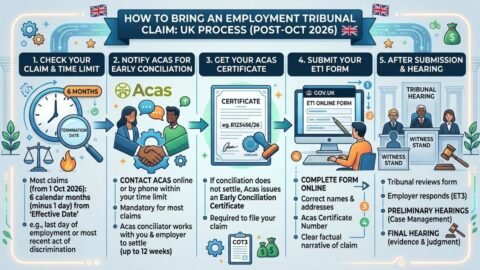
An employer can dismiss you without notice for gross misconduct, such as theft, violence or serious dishonesty. This must be a serious breach, with a fair process, not just a minor error. You should still be able to challenge a wrongful dismissal. If you think you have been dismissed unfairly or without proper notice, contact Acas as soon as possible. The time limit for most tribunal claims is currently six months for events on or after 1 October 2026, and you must go through Acas early conciliation first.
Redundancy and notice
If you are made redundant, you are entitled to at least the statutory notice, or your contractual notice if it is longer. If you have worked for at least two years, you may also be entitled to statutory redundancy pay. Employers must usually consult before redundancies. Ask for the details in writing.
Starting a new job: how to manage your notice
If you have a new job offer:
- Read your contract. Work out your notice period and your exact last day.
- Tell your new employer. Give them your real availability, so they can plan your start date.
- Resign only when the new offer is unconditional. If your offer depends on references, checks or vetting, wait until these are complete. This matters for jobs with security checks, such as airport roles. See our guide to how to get an airport job in the UK.
- Hand in notice in writing. Then confirm your last day with HR.
- Negotiate if needed. Ask your current employer if you can leave sooner, and ask your new employer if they can wait.
- Plan the handover. Leave good notes and finish key tasks. A positive exit helps your reference.
If you are applying for jobs now, browse the latest vacancies on our jobs board and mention your notice period when you are asked about your availability.
Common problems and what to do
Your contract has no notice period. The statutory minimum applies. Ask your employer for a written statement of terms.
Your employer says you must give more notice than your contract. They cannot make you give more than your contract says. Check the wording and ask Acas if unsure.
Your employer refuses to let you leave early. You are generally expected to work your notice. Try to negotiate, use holiday, or ask for a written agreement.
Your employer didn’t give you proper notice. Ask for written confirmation of the reason and the date. If you have been dismissed without the notice you are owed, contact Acas, and keep all emails and payslips.
You are on a zero-hours or casual contract. Notice rights depend on whether you are an employee or a worker. Check your contract and your real working pattern.
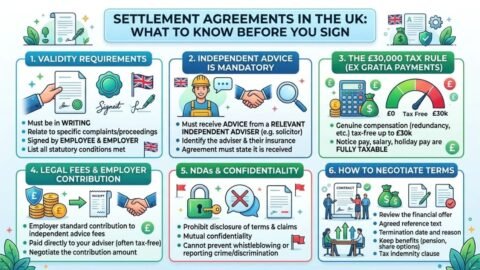
You are being pressured to resign. Do not sign a resignation or settlement agreement without advice. Contact Acas, Citizens Advice or a solicitor.
Frequently asked questions
How much notice do I have to give when I resign? At least what your contract says. If there is no clause, the legal minimum is one week once you have worked for a month.
How much notice must my employer give me? At least one week for each full year of service, up to 12 weeks, or the contract notice if it is longer.
Can I be dismissed without notice? Only for gross misconduct, or in the first month of employment when no statutory notice applies. Otherwise your employer must give notice or pay in lieu where the contract allows.
Can I take holiday during my notice period? Often yes, if your employer agrees. Unused holiday is normally paid out in your final pay.
Can I withdraw my resignation? Only if your employer agrees. Once notice is given it generally cannot be withdrawn on your own.
Does the Employment Rights Act 2025 change notice periods? The Act’s main changes, such as the new six-month unfair dismissal rule due in January 2027, are separate from the statutory notice rules. Check GOV.UK for the latest position.
What if I am sick during my notice period? You may be entitled to Statutory Sick Pay and your contractual benefits. Tell your employer and follow your sickness reporting rules.
Final thoughts
Notice periods are simple once you know where to look: check your contract first, then the statutory minimum. Resign in writing, plan your last day and keep good records. If anything feels unfair, get advice early from Acas or Citizens Advice. When you are ready for your next role, browse current vacancies on our UK jobs board.
This article is general information, not legal advice. Your rights depend on your contract and individual circumstances. For advice, contact Acas, Citizens Advice or a qualified employment solicitor, and check GOV.UK for the latest rules.